Photo Frame Display Die Cut Die Line Graphics for Crafts
As a digital product creator who has spent years refining listings on Etsy and managing print-on-demand stores, I know that the difference between a passive listing and a bestseller often comes down to presentation. When I stumbled upon the Photo Frame Display Die Cut Die Line, my first thought wasn’t just about the visual appeal, but about its utility in a commercial workflow. This asset isn’t just a pretty picture; it is a structural tool designed to elevate how customers perceive your digital downloads or physical merchandise.
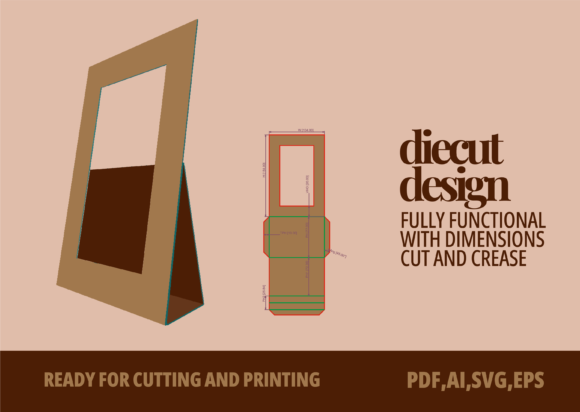
The initial impression of this die line is one of clean, professional structure. It features a gusset bottom, which adds depth and realism to any mockup or printable design. In the world of Crafts and Graphics, realism sells. A flat image looks like a template; a 3D-rendered frame with a gusset looks like a finished product ready to hang on a wall or hold a cherished memory. This distinction is crucial for capturing the attention of busy shoppers scrolling through creative marketplaces.
Why Presentation Matters in Digital Selling
In the crowded landscape of online selling, visual hierarchy is everything. Whether you are selling SVG files for Cricut users, PNG designs for sublimation, or printable wall art, the way you present the final result dictates click-through rates. The Photo Frame Display Die Cut Die Line serves as a powerful vehicle for this presentation. It allows you to create product mockups that look high-end without needing expensive photography equipment or complex Photoshop skills.
Think about the buyer’s journey. A customer browsing for nursery prints or wedding invitations wants to visualize the item in their home. By using this die cut die line, you can showcase your artwork inside a realistic frame context. This builds trust and perceived value. It transforms a simple digital file into a tangible solution for the customer’s needs. For small business owners and creative entrepreneurs, this asset helps bridge the gap between abstract digital files and concrete, desirable products.
Practical Applications Across Product Lines
This graphic design asset is versatile enough to support a wide array of product categories. Here is how I would integrate it into different streams of an online shop:
- Printable Wall Art & Nursery Decor: Use the die line to create mockups showing your illustrations inside the frame. This is particularly effective for seasonal collections, such as holiday-themed frames or minimalist modern art displays.
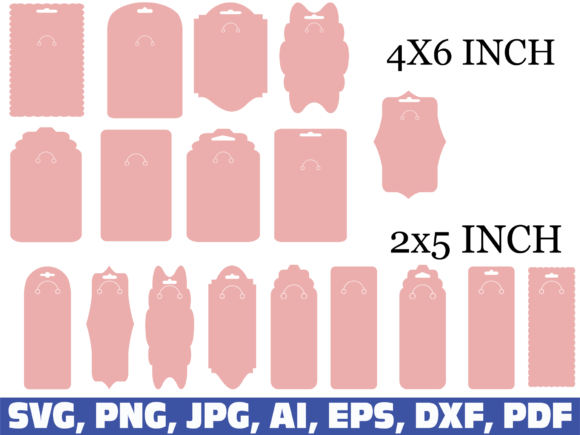
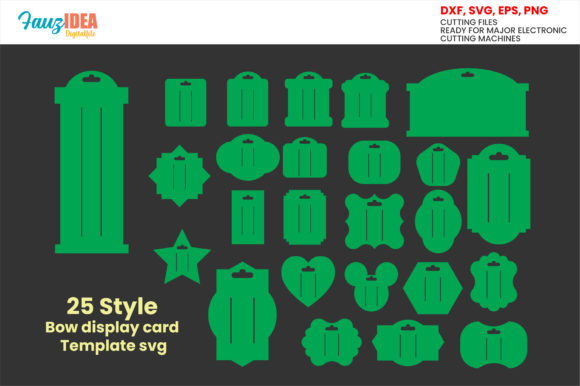
- Cricut and Silhouette Projects: Since the file includes precise cut lines, crafters can use it directly to create physical photo holders from cardstock, wood, or vinyl. This appeals to the DIY community looking for ready-to-cut SVG designs.
- Greeting Cards and Invitations: Incorporate the frame into invitation templates for weddings, birthdays, or thank-you notes. The gusset bottom adds a premium feel to paper goods, making them stand out in digital download bundles.
- Merchandise Mockups: For print-on-demand sellers, this asset can be used to create t-shirt designs, mug designs, or tote bag prints that feature a "frame" effect around text or logos. It adds a layer of branding identity to otherwise generic merchandise.
- Social Media Graphics: Content creators can use the frame as a background element for Instagram posts or Pinterest pins. It provides a clean, structured container for quotes, testimonials, or promotional visuals.
Testing Before You Publish
Before adding this asset to your store, rigorous testing is essential. I recommend starting by previewing the Photo Frame Display Die Cut Die Line as a marketplace thumbnail. Does it grab attention? Is the contrast clear? Test it on both white and dark backgrounds to ensure versatility. If you are selling it as a digital download, verify the PNG transparency and inspect the SVG cut quality to ensure there are no stray anchor points that could frustrate users.
For those creating physical products, test print colors. The gusset bottom requires accurate scaling to maintain its three-dimensional appearance. If the proportions are off, the illusion breaks, and the product loses its appeal. Additionally, check how the asset interacts with typography. Pairing the frame with a serif font might evoke elegance, while a handwritten font could suggest a personal, handmade touch. Experiment with display fonts to see what resonates with your target audience.
Where to Use It Carefully
While this asset is powerful, it is not a one-size-fits-all solution. There are scenarios where careful consideration is needed:
- Tiny Sticker Details: If you are designing intricate sticker sheets, the details of the gusset and frame may become too small to render clearly at miniature sizes. Keep the design simple if using it for small-format products.
- Crowded Thumbnails: On mobile devices, complex layouts can get lost. Ensure the frame stands out against the background and doesn’t compete with essential text or other graphical elements.
- Low-Resolution Prints: Always confirm file resolution before publishing. Using a low-res version of the die line in large-format prints will result in pixelation, damaging your brand reputation.
- Text-Heavy Templates: Avoid placing too much text inside the frame itself. The primary purpose is to hold images or short phrases. Overloading it can clutter the visual hierarchy and make the design difficult to read.
Commercial Licensing and Organization
One of the most critical steps in digital product creation is understanding commercial licensing. Before using the Photo Frame Display Die Cut Die Line to sell finished products, confirm the terms of use. Some assets allow unlimited commercial use, while others may restrict the number of end-products or require attribution. Clarity here protects your business from legal issues and ensures ethical practices within the creative community.
Organization is equally important. When including this asset in your design bundle, provide clear instructions. Explain the four formats included (typically SVG, PNG, EPS, and PDF) and how each can be utilized. For example, explain that the SVG is ideal for cutting machines, while the PNG is perfect for digital planners or Canva templates. Clear documentation reduces customer support queries and enhances the user experience.
Final Thoughts for Sellers
The Photo Frame Display Die Cut Die Line is more than just a decorative element; it is a strategic tool for enhancing product presentation. By integrating it into your workflow, you can create cohesive, professional-looking collections that appeal to a broad range of buyers. From Etsy sellers looking to boost their average order value to bloggers seeking engaging blog graphics, this asset offers flexibility and style.
Remember, success in digital selling is built on consistency and quality. Use this die line to tell a visual story that connects with your audience. Whether you are creating a seasonal bundle, a standalone printable, or a comprehensive design pack, ensuring that every detail—from the cut lines to the mockup presentation—is polished will set your shop apart. Take the time to test, refine, and present your work with care, and you will find that even small assets can have a significant impact on your bottom line.