Happy Campers: A Designer's Real-World Embroidery Review
When I first opened the Happy Campers design file, my immediate reaction wasn't about stitch counts or color palettes. It was about the vibe. There is a specific energy required for successful embroidery projects that separates a generic clip art from a piece of art that actually holds up on fabric. This Illustrations and Graphics package strikes a balance between playful charm and structural integrity that is rare to find in digital assets today. As someone who has reviewed countless designs for client work and personal craft business ventures, I approached this review with a critical eye: could this design survive the transition from a screen to a finished product?
The First Stitch: Visual Personality and Mood
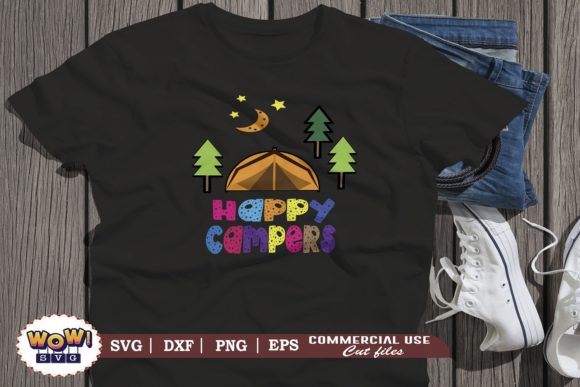
The name alone suggests warmth, nostalgia, and outdoor adventure, but does the visual execution match? In my experience, the success of an embroidery project often hinges on the initial emotional connection the customer feels when they see the finished item. Happy Campers delivers exactly that. The layout feels organic rather than rigid, suggesting it was designed with the natural flow of thread in mind. Unlike many vector files that look crisp on a monitor but fall apart under a needle, this design appears to have been thought through regarding how stitches will interact.
The mood created is one of relaxed confidence. It doesn't scream for attention with overly complex details that might get lost in stitching, nor is it so simple that it looks cheap. For a designer looking to create a cohesive brand identity for a small shop, this design offers a versatile foundation. It works equally well for a whimsical baby onesie, a rugged canvas tote bag, or a cozy holiday throw pillow. The visual personality is distinct enough to stand out in a crowded Etsy marketplace while remaining timeless enough to not feel dated next season.
Real-Life Application: From Screen to Stitch
To truly understand the value of Happy Campers, we have to move past the digital preview and imagine it in a real-world scenario. Let's say you are preparing a custom order for a boutique client who wants a line of branded aprons for a local bakery. You pull up the design in your digitizing software. The curves of the lettering suggest a friendly, approachable brand voice. When you test the design on a scrap of heavy cotton twill, the saturation of the fill stitches looks rich and even.
This design shines particularly well on custom apparel like sweatshirts and t-shirts where comfort and drape are paramount. Because the design likely avoids excessive density in the corners, it won't cause the fabric to pucker, which is a common complaint among customers receiving handmade goods. Imagine placing this on a dark navy cap for a summer camp event. The contrast would be striking, and the text would remain legible even after multiple washes. For a small business owner selling personalized gifts, the ability to trust that the design will hold its shape is crucial for maintaining customer trust.
I also envision this working beautifully as a decorative accent on kitchen towels or nursery decor. The theme fits perfectly into a woodland or camping-inspired nursery, adding a touch of sophistication that parents appreciate. When used on a patch, the clean lines ensure that the edges don't fray during the cutting process, resulting in a professional finish that justifies a higher price point. Whether you are creating a limited run of holiday gifts or a bulk order of corporate merchandise, Happy Campers provides the reliability needed to scale your production without sacrificing quality.
Where to Exercise Caution
Even the most promising designs have their limitations, and a responsible designer knows where to draw the line. While Happy Campers is robust, there are specific scenarios where you need to tread carefully. If you are working with very small hoop sizes, such as those found on portable machines or for delicate jewelry tags, the fine details of the graphics might become too dense. The tiny spaces between letters or decorative elements could merge together if the stitch count is high, leading to a muddy appearance.
Fabric texture plays a massive role here. On highly textured fabrics like chunky knits or bouclé, the definition of the design may soften. Similarly, thin or stretchy fabrics require a lighter hand; if the design calls for heavy stabilizers or dense fill stitches, you risk distorting the garment. Dark fabrics can sometimes hide the nuance of lighter thread colors, so testing your thread palette is essential before committing to a full batch. Additionally, if you plan to use this on curved surfaces like fitted caps, you must ensure the design is flexible enough to conform to the curve without wrinkling.
Products that undergo frequent washing, such as daily wear tees or play clothes for children, demand durability. While the design itself looks good, the longevity depends on your stitching technique. Ensure you are using the correct stabilizer to support the weight of the embroidery. If the design includes intricate decorative accents or layered elements, check the stability of those areas on a test swatch. Ignoring these practical constraints can lead to returns and dissatisfied customers, which no craft business can afford.
Impact on Value and Brand Perception
The difference between a $5 item and a $25 item often lies in the perceived quality of the design. Happy Campers elevates the perceived value of any finished product because it looks intentional and polished. Customers are willing to pay more for items that show attention to detail, and a well-executed embroidery job signals professionalism. When a buyer sees a crisp, clear design on a tote bag or a hoodie, they assume the rest of the craftsmanship matches that standard.
This design fosters brand consistency. If you are building a shop around a specific aesthetic—be it rustic, modern, or playful—having a signature graphic like this helps unify your product line. It becomes recognizable, turning casual buyers into repeat customers. Furthermore, the "giftability" of a product increases significantly when the decoration looks high-end. A personalized gift with a muddled or distorted logo feels impersonal; one with a sharp, vibrant Happy Campers design feels thoughtful and special.
Essential Notes for the Embroidery Designer
Before you hit the start button on your machine, there are several practical steps to ensure success. Always test the design on scrap fabric that matches your final material. Check the thread color contrast against both light and dark backgrounds to ensure readability. Review the stitch density; if it feels too tight, consider adjusting the settings to prevent puckering. Confirm your hoop size early to avoid cropping important elements.
Inspect the small details closely. Are there any stray points or overlapping paths that could cause thread breaks? Use black and white mockups to see how the design translates without color distractions. Compare different stabilizer options to find the right balance of support and flexibility. Finally, verify whether the license allows for commercial use. Many digital products come with restrictions on selling finished items or redistributing the files. Read the terms carefully to protect your business.
In conclusion, Happy Campers is more than just a pretty image; it is a functional tool for creative entrepreneurs. It offers the clarity, versatility, and charm needed to produce high-quality handmade products. By approaching it with the right preparation and technical knowledge, you can turn this digital asset into a profitable addition to your catalog. Whether you are an experienced embroiderer or a hobbyist just starting out, this design is worth the investment for anyone looking to add a touch of joy to their stitched creations.