Earring Display Card Template: Graphics for Print Templates
When I take on a new client project, especially one involving small business branding or handmade product launches, the first thing I look for is cohesion. It is not enough for a product to simply exist; it must feel intentional from the moment it is unboxed. Recently, I was tasked with developing a visual identity and packaging suite for a boutique jewelry maker specializing in minimalist gold-filled earrings. The challenge was creating a presentation card that felt premium yet accessible, sturdy enough for shipping but delicate enough to match the jewelry’s aesthetic. This is where evaluating assets like the Earring Display Card Template becomes critical. As a professional designer, I do not just buy files; I assess their versatility, technical integrity, and ability to elevate a brand.
First Impressions of Visual Mood and Style
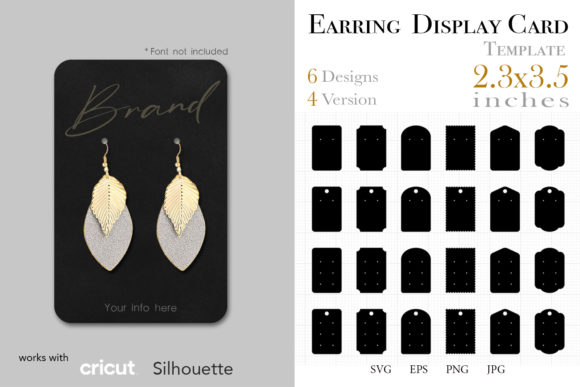
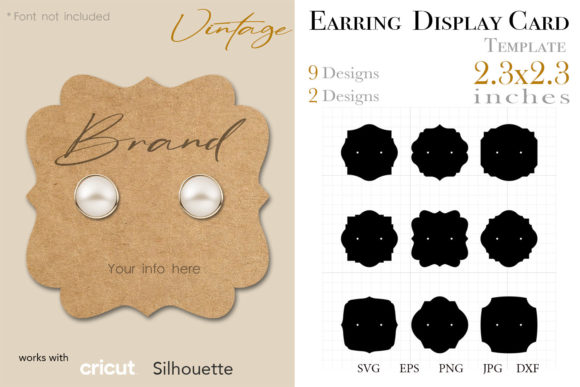
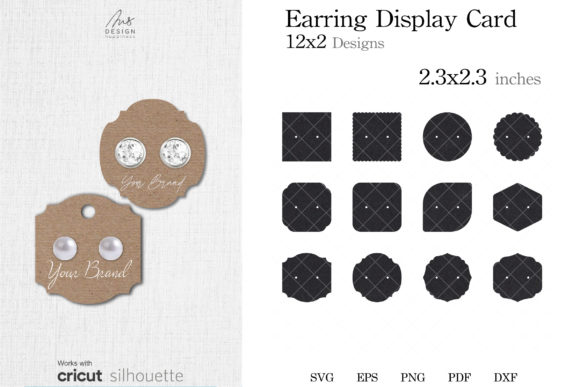
The initial assessment of this design asset reveals a clean, modern aesthetic that aligns perfectly with current trends in small business branding. The layout is structured around a 2.3×2.3 inches Earring Display Card Template SVG format, which provides a compact, square footprint ideal for pairing two smaller earring studs or a single statement piece. Visually, the template exudes a sense of organized simplicity. It does not scream for attention with chaotic patterns; instead, it relies on negative space and clear structural lines to guide the eye. This creates a mood of sophistication and trust, which is essential when selling high-value items like fine jewelry.
For a client project, this style fits naturally into categories such as modern design, handmade business aesthetics, and minimalist branding. It avoids the cluttered look of older retail displays, offering instead a gallery-like presentation that lets the jewelry remain the hero. The visual hierarchy is established through subtle dividers and ample margin space, suggesting that the creator understands the importance of breathing room in packaging design.
Performance in Real Design Situations
In my workflow, a graphic element must be more than just pretty; it must function across multiple touchpoints. I tested the concept of this Earring Display Card Template within a broader brand identity system. Here is how it performed in various scenarios:
- Packaging Design: The primary use case is obvious. The file includes Jewelry card DXF cut files for cricut, along with png, eps, and pdf formats for hand cutting. This multi-format approach is invaluable. For a rapid prototype phase, I used the PDF to hand-cut samples, allowing me to physically test the thickness of the cardstock and the tension required for the hole punches. The precision of the cut lines ensured that the earring posts would sit securely without tearing the paper.
- Social Media Graphics: Because the template is provided as a vector-based SVG design, I could easily resize it for Instagram posts and Pinterest pins. The clean lines scaled beautifully, maintaining sharpness even when placed against busy background textures. This made it an excellent base for creating consistent marketing visuals that matched the physical product.
- Web Design and Editorial: I integrated the card layout into a mockup for the client’s Shopify store. The product mockup looked authentic because the digital representation matched the physical cut file’s proportions. In editorial design contexts, such as a blog post about "How to Package Jewelry," this template served as a reliable reference point for readers looking to replicate the look.
Where the Asset Works Best
This design asset shines when used as a central component of a themed collection. It works exceptionally well in large layout areas where its structure can be fully appreciated. For instance, in a flat-lay photograph featuring the earrings alongside dried flowers or marble surfaces, the card provides a solid anchor for the composition. It is also highly effective as a decorative accent in sticker design projects, where the outline of the card can be used as a frame for other elements.
Furthermore, its compatibility with cutting machines makes it perfect for Cricut projects and DIY enthusiasts who want to create custom printable designs. If you are a digital seller offering design bundles, this template adds significant value because it bridges the gap between digital planning and physical production. It supports commercial design workflows by reducing the time spent drafting basic structural layouts from scratch.
Areas Requiring Careful Application
However, no asset is universally perfect. There are specific contexts where the Earring Display Card Template requires careful handling. Due to its small size (2.3×2.3 inches), it should be avoided in crowded layouts where legibility might be compromised. If you attempt to place intricate text or tiny logos directly onto the card without sufficient contrast, the detail will be lost.
Additionally, in professional corporate materials that demand strict adherence to rigid grid systems, the slightly more organic nature of a cut-file template might clash if not aligned properly. It is less suitable for minimalist branding that relies on extreme abstraction, as the card itself introduces a defined shape that competes for visual dominance. When using this in low-contrast designs, such as white text on light cream cardstock, readability suffers. Designers must ensure that any typography added to the card maintains a strong contrast ratio to preserve visual hierarchy.
Impact on Readability and Brand Trust
The inclusion of this template affects the overall impression of a design project by introducing a layer of tangible professionalism. When a customer receives a product displayed on a custom-sized, precisely cut card, it signals that the brand cares about details. This enhances emotional appeal and audience engagement. A well-executed Earring Packaging Template SVG suggests that the jewelry inside is equally well-crafted.
From a graphic design asset perspective, it ensures brand consistency. By standardizing the display method, the brand creates a recognizable pattern that aids in recognition. Whether seen on a shelf, in a social media feed, or under a microscope during unboxing, the consistent use of this card reinforces the brand's identity.
Practical Designer Notes for Implementation
Before integrating this asset into a paid client project, I recommend the following checklist:
- Test in Black and White: Convert the design to grayscale to check contrast levels. Ensure that any decorative lines do not disappear against the background.
- Check File Formats: Verify that the SVG design is editable in your preferred software. Inspect the PNG transparency if included, ensuring there are no jagged edges or unwanted halos around the cut paths.
- Font Pairing: Compare the template’s inherent style with your chosen typography. A serif font might add elegance, while a sans serif font keeps it modern. Avoid script fonts or handwritten fonts unless they align with a specific bohemian or rustic brand voice, as they can reduce readability at small scales.
- Mockup Testing: Place the design on real photo mockups. Does it look realistic? Does the shadow interaction make sense?
- Commercial License: Always confirm the commercial license terms. Ensure you have the right to use the digital product for client work, especially if you are reselling the final packaged goods.
In conclusion, the Earring Display Card Template is a versatile, high-quality tool for designers working in the jewelry and handmade sectors. Its combination of vector editability and precise cut files makes it suitable for both digital presentations and physical production. By understanding its strengths and limitations, designers can leverage this asset to create polished, trustworthy, and visually appealing brand experiences.