Box Type Display Diecut Review
As a designer who spends more time than I care to admit staring at stitch density maps and testing thread contrasts on scrap fabric, I approach every new machine embroidery design with a healthy dose of skepticism. We have all been there: you see a cute graphic in the Crafts or Graphics category, click buy, and then realize it is either too complex for your current hoop size or looks muddy once stitched out. That is why I decided to put this specific asset through its paces before recommending it to my network of Etsy sellers and boutique owners.
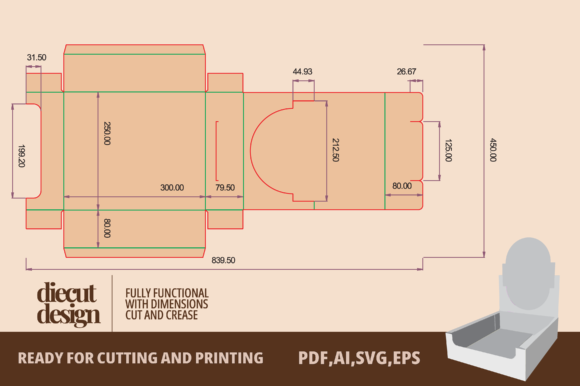
The product in question is the Products Box Type Display Diecut. On paper, it sounds technical—a die line for a box display with glued corner panels and tuck-in closures. But in the world of handmade branding and custom apparel, this isn't just about packaging; it is about creating a cohesive visual identity that translates from screen to fabric. I wanted to see if this embroidery file holds up when applied to real-world projects like tote bags, aprons, and personalized gifts.
First Impressions and Visual Personality
When I first opened the files included in this download, the immediate takeaway was clarity. The layout mimics a structured box display, which gives it a very organized, commercial feel. This is not a whimsical, hand-drawn sketch; it is a clean, geometric representation of retail packaging. For an embroidery project, this structural quality is a huge advantage. It suggests precision, which tends to read well in stitching.
The mood created by the Products Box Type Display Diecut is one of professional presentation. It feels like something you would see on a high-end boutique shelf. When I imagined applying this to a custom apparel item, such as a canvas tote bag for a craft fair vendor, it immediately elevated the perceived value of the merchandise. It doesn’t scream "cute"; it whispers "quality." This makes it particularly effective for small business merchandise where brand consistency is key.
I found myself thinking about how this design could serve as a central motif for a line of kitchen towels or tea towels. The box shape provides a natural frame for other elements, but even on its own, it has enough visual weight to stand alone. It works beautifully as a standalone embroidered patch or as a large chest print on a sweatshirt for staff uniforms in a creative agency or artisan workshop.
Real-World Application: From Screen to Stitch
To truly evaluate any digital embroidery file, you have to imagine it in use. I spent some time mentally mapping out how the Products Box Type Display Diecut would perform on different substrates. Let’s talk about the tote bag design scenario first. Canvas is a forgiving fabric, but it can be thick. If this design relies heavily on fine lines or tiny text, it might get lost in the weave. However, because the design is based on a die-cut outline, it likely utilizes bold shapes rather than delicate details. This means it should stitch out cleanly on heavy cotton blends without requiring excessive digitizing corrections.
Another strong use case here is holiday embroidery or seasonal gifting. Imagine a set of embroidered pillow covers featuring this box design, perhaps filled with a contrasting thread color to mimic the look of packaging tape or labels. It adds a modern, minimalist touch to home decor. It also fits seamlessly into the realm of baby embroidery if used subtly on a muslin blanket or a nursery wall hanging. The clean lines are gender-neutral and timeless, avoiding the trendy aesthetics that date quickly.
For Etsy sellers looking to expand their catalog, this design offers versatility. It can be used for personalized products where the box structure serves as a background for names or dates. It acts as a container for customization. Whether you are selling craft business items or creating design assets for other creators, the adaptability of this graphics element is its strongest suit. It bridges the gap between functional packaging art and decorative textile design.
Where Caution Is Required
No design is perfect for every situation, and I want to be transparent about where the Products Box Type Display Diecut might challenge your workflow. First, consider the hoop size. If you plan to use this on smaller items like caps or hats, you need to ensure the design scales down without losing its integrity. Curved surfaces can distort straight lines, so test this carefully on a practice cap before committing to a client order.
Another area to watch is fabric texture. While canvas and cotton twill are ideal, using this on highly textured fabrics like bouclé or thick chenille might obscure the finer details of the die-cut lines. Similarly, on stretchy knits, you must use a proper stabilizer to prevent puckering. If the design includes dense areas, skipping the stabilizer will result in a warped finish that ruins the professional look.
Also, think about thread colors. Because the design mimics a box, it often implies outlines or borders. If you choose low-contrast threads against dark fabric, the definition of the box structure may vanish. I recommend testing this in black and white mockups to ensure the shapes remain distinct. Additionally, inspect the small details closely. If the original file contains tiny lettering or intricate corner panel details, verify that these elements are large enough to be stitched clearly. Tiny satin stitches can merge together if they are too close, turning into a blob rather than a crisp line.
Practical Designer Notes for Success
If you decide to incorporate the Products Box Type Display Diecut into your production line, follow these practical steps to ensure a high-quality finished product.
- Test on Scrap Fabric: Never go straight to the final garment. Stitch the design on a scrap piece of the same fabric type to check for tension issues and fabric pull.
- Check Stitch Density: Review the digitizing to ensure the stitch density is appropriate for the fabric weight. Too dense, and the fabric becomes stiff; too sparse, and the backing shows through.
- Inspect Small Details: Zoom in on the digital preview. Look at the corners and edges. Are they sharp? Do they require excessive trimming?
- Use Proper Stabilizer: Depending on your fabric, you may need cut-away or tear-away stabilizer. This is crucial for maintaining the shape of the box design during and after stitching.
- Verify Licensing: Before listing this as a commercial embroidery item or selling the digital embroidery file itself, double-check the license terms. Ensure you are allowed to sell finished goods made from this design.
Ultimately, the Products Box Type Display Diecut is a smart addition to any designer’s library if you are focused on clean, modern, and professional aesthetics. It moves away from the cluttered, overly decorative styles that can sometimes dominate the handmade product market and offers a sleek alternative. Whether you are creating aprons for a cooking class, patches for denim jackets, or branded packaging for your small shop product line, this design provides a solid foundation for building trust and recognition with your customers.
It is not just a graphic; it is a tool for branding. By paying attention to the details—thread choice, fabric selection, and stabilization—you can transform this simple box concept into a memorable element of your embroidery project. For those of us who value efficiency and elegance in our work, this file delivers on both fronts.