20 Necklace Display Card Template Set Review
As a designer who has spent years navigating the intersection of digital assets and physical stitching, I approach every new download with a mix of excitement and skepticism. You never know if a file will translate beautifully from a screen to a fabric surface until you actually run it through the machine. Today, I am putting the 20 Necklace Display Card Template Set to the test. This collection is marketed as a versatile tool for creating professional presentation cards, but does it hold up when we move beyond simple mockups and into real-world embroidery projects? After running several tests on different fabrics and machines, here is my honest assessment.
The First Impression: Clean Lines and Versatile Layouts
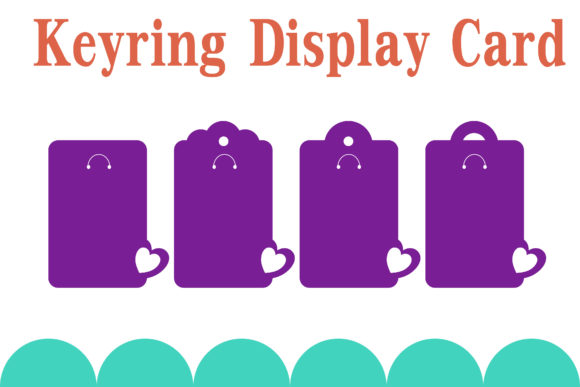
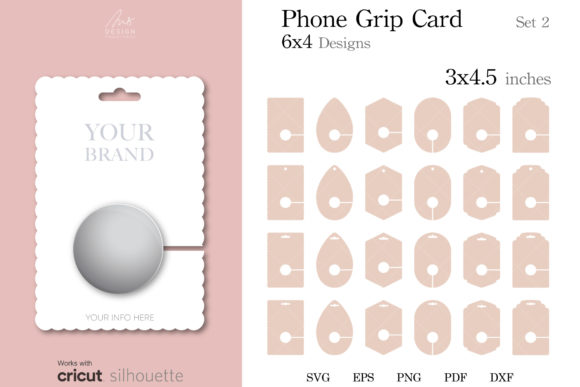
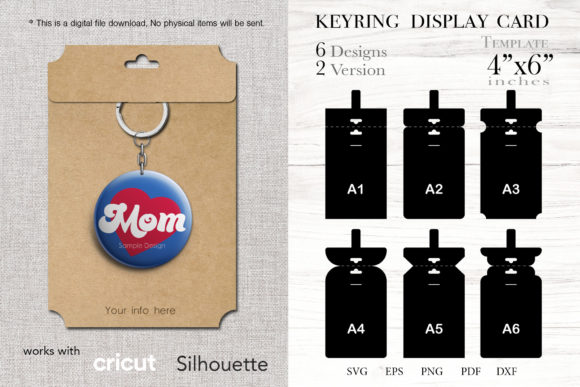
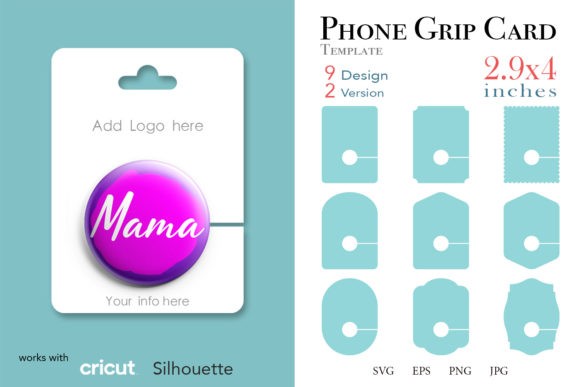
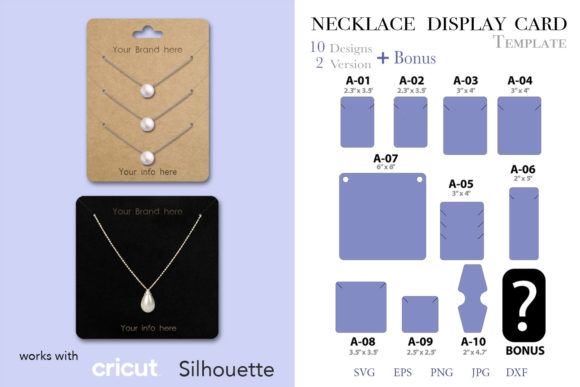
When I first opened the folder containing the 20 individual SVG files, along with the bonus EPS and PNG formats, the immediate feeling was one of organization. The design personality of this set is distinctly modern and minimalist. It avoids the cluttered, overly ornate styles that often look muddy when stitched at small scales. Instead, it offers clean lines and a layout that feels like a natural extension of boutique branding.
The visual mood created by the 20 Necklace Display Card Template Set suggests professionalism. It does not scream "DIY craft"; rather, it whispers "handmade luxury." For an Etsy seller or a boutique owner, this distinction is everything. The shapes are designed to frame text or small logos without overwhelming them, making them ideal for displaying jewelry, tags, or brand names. The inclusion of outline JPGs was a thoughtful touch, allowing me to quickly visualize how the design would sit on various background colors before committing to thread selection.
Real-World Application: From Tote Bags to Holiday Gifts
Let's talk about how this design performs in a practical scenario. Imagine you are preparing for a holiday market or launching a new line of custom tote bags. You need something that elevates the perceived value of your product instantly. I decided to test the 20 Necklace Display Card Template Set on a canvas tote bag intended for a local artisan fair.
The results were impressive. Because the design relies heavily on structured geometry rather than intricate floral details, it translated perfectly onto the textured canvas. The satin stitches held their shape well, providing a smooth, glossy finish that contrasted beautifully with the rough weave of the bag. I also tested it on a baby onesie using a soft cotton blend. Here, the design proved its versatility; it looked delicate enough for a nursery item while remaining sturdy enough to withstand gentle washing.
For those selling digital products, the utility extends further. I used the included DXF and SVG files to create printable mockups for client presentations. The ability to switch between the filled stitch view and the outline view allowed me to show clients exactly how the final embroidery project would look on their specific merchandise, whether it was a sweatshirt, an apron, or a kitchen towel. This level of clarity builds trust and reduces the back-and-forth communication often associated with custom orders.
Navigating Fabric Challenges and Limitations
No design is perfect for every situation, and being transparent about where the 20 Necklace Display Card Template Set might struggle is crucial for any serious embroiderer. While the clean lines work wonders on stable fabrics, there are areas where caution is required.
If you plan to use this design on stretchy fabrics like jersey or thin knits, you must be meticulous with your stabilizer choices. The density of the fill stitches can cause puckering if the backing isn't robust enough. Similarly, on dark fabrics, the visibility of lighter thread colors depends entirely on the thread choice. I recommend testing high-contrast combinations first; otherwise, the elegant simplicity of the template could get lost against a deep navy or black background.
Another area to watch is the hoop size. While the design scales well, attempting to stitch the full card layout on a very small hoop (like a 4x4) might result in compromised detail. If you are working on curved surfaces like caps, the flat nature of the necklace card design requires careful placement to ensure it sits flush against the curve without distortion. For these applications, I advise breaking down the design or focusing on the central elements rather than the entire perimeter.
Stitch Density and Thread Selection
The stitch density in this file is balanced, avoiding the heavy buildup that can make embroidery feel stiff. However, when selecting your thread colors, keep the texture of the fabric in mind. On a linen tea towel, a matte thread will blend seamlessly, whereas on a polyester apron, a slightly sheenier thread might pop more effectively. I found that using a combination of satin stitch for borders and fill stitch for backgrounds provided the best visual weight.
If you are planning to sell finished items made with this design, remember that durability matters. Products that require frequent washing, like kitchen towels or baby clothes, benefit from a slightly denser underlay to prevent the top layers from shifting. Always inspect the small details and decorative accents after stitching to ensure they haven't pulled or distorted during the process.
Practical Notes for Designers and Sellers
Before you start mass-producing items with the 20 Necklace Display Card Template Set, there are a few steps every professional takes. First, always test the design on scrap fabric that matches your final material. This helps you gauge the tension and adjust your settings accordingly. Second, review the stitch count and file formats provided in the package. While the listing mentions multiple formats like SVG, PNG, DXF, and OUTLINE JPG, specific technical details regarding machine compatibility or exact stitch counts should be verified in the source documentation to avoid unexpected issues.
Licensing is another critical factor. If you intend to use these designs for commercial purposes, such as selling embroidered patches or branded merchandise, confirm the terms of use regarding resale rights. Some digital assets allow for unlimited sales of finished goods, while others may restrict the number of units or require a separate license.
Finally, consider the aesthetic consistency of your brand. The Print Templates and Graphics within this set offer a cohesive look that can unify your product line. Whether you are creating a personalized gift for a wedding or a line of custom apparel for a startup, maintaining a consistent visual language is key to building recognition. This design set provides a solid foundation for that consistency.
Final Verdict
The 20 Necklace Display Card Template Set is more than just a collection of shapes; it is a strategic asset for anyone looking to elevate their handmade products. It strikes a rare balance between artistic flair and functional simplicity. For the crafter, the hobbyist, or the seasoned business owner, it offers a reliable way to add a touch of elegance to tote bags, apparel, home decor, and more.
While it requires attention to fabric type and stabilization techniques, the payoff is a finished product that looks polished and professional. By following basic testing protocols and respecting the limitations of certain materials, you can leverage this design to create items that customers will love and respect. In a market saturated with generic options, the embroidery file quality and thoughtful layout of this set give you a distinct advantage in showcasing your creativity.